1. Facebook
2. UILabel NumberOfLines
3. NSDateFormatter yyyy-MM-dd’T’hh:mm:ssZZZZ (don’t accept a colon in ZZZZ part)
4. sqlite INSERT statement – single row
作者: me
:)
Make it Technical: 常見IOS framework build error
常見IOS framework build error
1. _SCNNetwork*
Solution: SystemConfiguration.framework
2. _NSInMemoryStoreType
Solution: CoreData.framework
3. _SSL*
Solution: Security.Framework
4. _KCF*   
Solution: CFNetwork.Framework
5. _xml*   
Solution: libxml.dylib
6. _OBJC_CLASS_$_CLLocation
Solution:CoreLocation.Framework
7. _dns_parse_resource_record _dns_free_resource_record
Solution:libresolv.dylib
8. _SCNetworkReachability*
Solution: SystemConfiguration.framework
9. _UTType* , _kUTTagClass
Solution: MobileCoreServices.framework
10. _deflate*, _inflate*
Solution: libz.dylib
11. _SecTrust*
Solution: Security.framework
12. _kCA*
Solution: QuartzCore.framework
Reference:
http://nobody-diaries.blogspot.hk/2012/10/ios-framework-build-error.html
LC_CTYPE locale problem
for the problem:
svn: warning: cannot set LC_CTYPE locale

svn: warning: environment variable LC_CTYPE is UTF-8
add this line to end of ~/.profile
export LC_ALL=C
vmstat with timestamp
Load testing tools for QAs
vmstat with timestamp:
function stamp {
  while read line
  do
    printf "$line"
    date '+ %m-%d-%Y %H:%M:%S'
  done
}
vmstat 3 5 | stamp
ref: http://www.unix.com/unix-dummies-questions-answers/32892-vmstat-output-date-timestamp.html
Scope Management
上一篇談PM的文中,指出Scope Management是最重要的。
這篇寫寫如何有效和優質地確認一個Project 的Scope。
首先,Scope 是UX的一種。
Scope Management 是High Level的,而不是技術層面的。
Scope Management 是要回答到Why & What。若你發現你對一個Project 的Why & What 有一個很有信心的確實回答時,你就是對Scope已掌握得好。
以下是一些對思考Scope 有幫助的Brainstorming Tools。都是一些文件或War Room Session。
試試每種都做一次,而做過的文件反覆比較和整合,會加強效果。
1. 你會如何用Problem Statement來形容這個Scope?而相對應的Methodology和Possibile Solution是甚麼?
2. 試試形容一個全面的high-level direction。
3. 分析有甚麼Domain Objects / Domain Assets
4. 畫一個你構想中Draft UI
5. 競爭者如何做類似的Product?
6. 分別寫幾份不同層次而都是完整的Feature List
7. 寫一份Draft Database Schema
8. Use Cases Analysis
9. 你會如何回答這個問題:Why I have to do this?
10. 做一個PPT,對象觀眾是non-IT audience。
如何做優良的Project Management
聽過不少人講他們如何做Project Management(項目管理, a.k.a. PM),常見的是很多人其實都不懂得做PM。
所以,想寫一篇有關PM,順便整理一下心得。
大部份人犯的毛病都是太過學術性。讀死書。
現時著名的PM Methodology 主要是PMP(US), Prince2(UK/Europe), Scrum(日系管理)。
它們各有各的長短處。
很多人讀完書,就只懂得用model解決問題,但缺乏了書本沒有教的Project Sense。
Project Sense,在PMP書面叫做PM Triangle。
和PMP不同的是,有Sense的人不是有document說如何處理Budget, Schedule和Scope。而是在腦中有一個PM Triangle。
這本身是一種「球感」。
簡單來說,首先要在腦海中掌握好Scope是甚麼。
若掌握到Scope,已成功了一半。
有了Scope,Schedule和Budget就只單純是會計運算。你會發現大腦甚至會在潛意識中計算到並告訴你能否按Budget和Schedule進行:若不能達成,確定Scope後你會覺得很不妥的。
掌握了這三點,甚麼Communication Plan, HR Plan, Integration, Outsourcing等等,都是自動埋位的。
至於Quality 和Risk,就是項目經理的經驗本身了,只能累積,沒有得速學。
Make it Technical: Create DSN on *nix
install
# apt-get install unixodbc unixodbc-dev libmyodbc odbc-postgresql
goto the folder
# cd /etc/ODBCDataSources
Write the driver setting: mysql_odbc_template
[MySQL]
Description = MySQL driver
Driver = /usr/lib/odbc/libmyodbc.so
Setup = /usr/lib/odbc/libodbcmyS.so
Install data source driver
# odbcinst -i -d -f mysql_odbc_template
Uninstall data source driver
# odbcinst -u -d -n MySQL
List installed driver
# odbcinst -q -d
Write the driver setting: mysql_dsn
[mysql_ejabberd]
Driver = /usr/lib/i386-linux-gnu/odbc/libmyodbc.so
SERVER = localhost
PORT = 3306
DATABASE = ejabberd
OPTION = 3
USER = ejabberd
PASSWORD = xxxxxxxx
install dsn
# odbcinst -i -s -l -f mysql_dsn
List installed dsn’s
# odbcinst -q -s
Reference:
InnoDB vs MyISAM
InnoDB and MYISAM, are the store engines of mysql, this two is used for locking concept where InnoDB locks the particular row in the table, and MyIsam locks the entire table in the mysql, You can specify the type by giving MYISAM OR INNODB while creating a table in db.
http://stackoverflow.com/questions/3818759/what-is-innodb-and-myisam-in-mysql
xcode-select usage
In some scenario, you may need to use xcode-select to declare the path of xcode sdk. In such case, use the command below:
sudo xcode-select -switch /Applications/Xcode.app/Contents/Developer
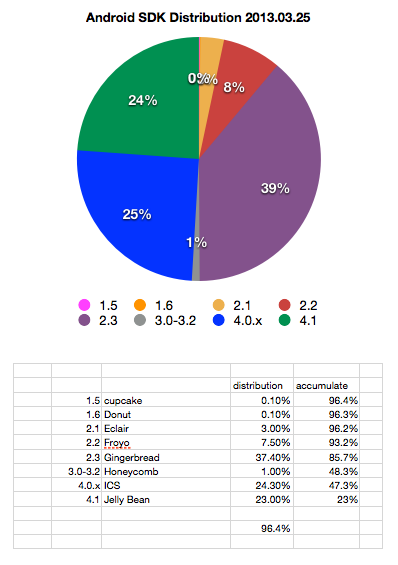
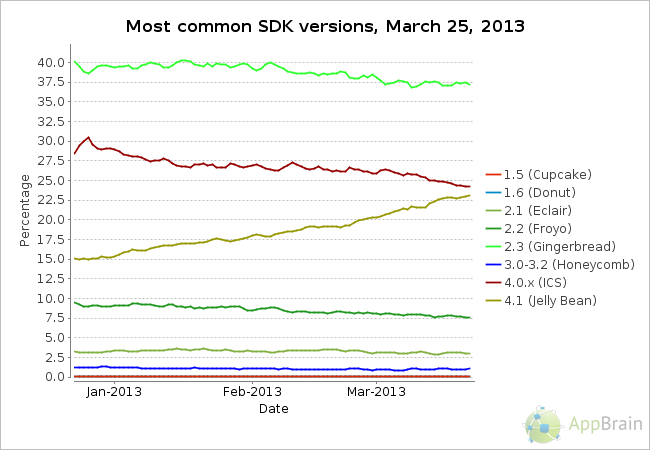
Android SDK Distribution 2013.03.26
 Stories Tech Biz